
Controlling emotions, particularly anger, is a crucial skill for effective parenting. Uncontrolled anger can negatively impact family relationships and a child’s development. Learning strategies for managing anger constructively creates a calmer, more nurturing home environment and models healthy emotional regulation for children.
Importance of Emotional Regulation
Children learn by observing adult behavior. Parents who demonstrate healthy emotional control provide a positive model for their children to emulate.
Creating a Peaceful Home Environment
A calm and supportive home atmosphere fosters children’s emotional and social development. Managing anger effectively contributes significantly to this environment.
Strengthening the Parent-Child Bond
Constructive anger management strengthens the parent-child relationship by building trust and improving communication.
Reducing Conflict
Effective strategies for managing anger can minimize conflict within the family, leading to more positive interactions.
Improving Communication
Calm communication is essential for healthy relationships. Anger management techniques facilitate clear and respectful dialogue.
Promoting Children’s Emotional Well-being
Children thrive in environments where adults model healthy emotional regulation. This positive influence contributes to their overall well-being.
Breaking Negative Cycles
Learning effective anger management can help break intergenerational cycles of unhealthy emotional expression.
Enhancing Parenting Skills
Developing emotional regulation skills enhances overall parenting effectiveness, leading to more positive outcomes for both parents and children.
Improving Self-Awareness
Anger management programs often involve self-reflection, which leads to greater self-awareness and emotional intelligence.
Tips for Managing Anger
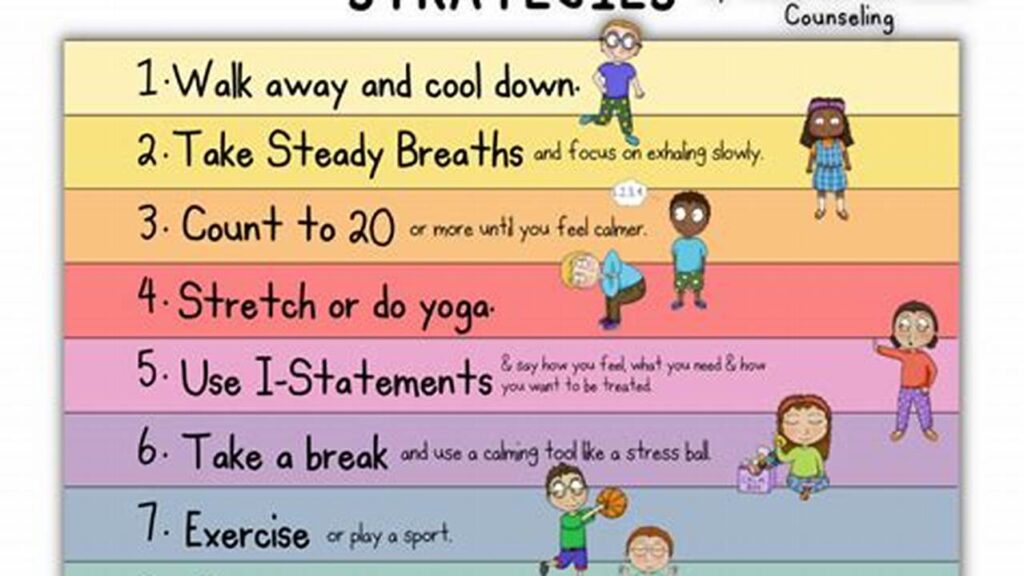
Identify Triggers: Recognizing situations or emotions that provoke anger is the first step towards managing it effectively.
Practice Relaxation Techniques: Deep breathing, meditation, or mindfulness exercises can help diffuse anger in the moment.
Take Time-Outs: Stepping away from a triggering situation allows time to calm down and regain composure.
Seek Support: Joining a support group or seeking professional guidance can provide valuable tools and strategies.
Frequently Asked Questions
How can I control my anger when my child misbehaves?
Taking a deep breath, stepping away briefly, and then addressing the situation calmly can help manage anger during challenging moments.
Is it normal to feel angry as a parent?
Feeling anger is a normal human emotion. However, learning to manage and express it constructively is essential for healthy parenting.
Where can I find resources for anger management?
Numerous resources are available, including books, online programs, workshops, and support groups. Consulting with a therapist or counselor specializing in anger management can also be beneficial.
What are the long-term benefits of anger management for children?
Children who witness healthy anger management in their parents are more likely to develop strong emotional regulation skills themselves, leading to improved relationships and overall well-being.
How can I model positive anger management for my child?
Verbalizing feelings calmly, taking breaks when needed, and demonstrating problem-solving skills are effective ways to model positive anger management.
Managing anger effectively is an investment in oneself, one’s family, and the future. By developing these essential skills, parents can create a more nurturing and supportive environment for their children to thrive.