
Cultivating a love for reading in children offers numerous benefits, from improved academic performance and cognitive development to enhanced creativity and empathy. Parents play a vital role in nurturing this love, and employing effective strategies can significantly impact a child’s reading journey.
Building a Positive Reading Environment
Creating a dedicated reading space, free from distractions, can foster focus and enjoyment. Regularly visiting libraries and bookstores exposes children to a wide variety of books and cultivates a sense of excitement around reading.
Making Reading a Shared Experience
Reading aloud together, even after a child learns to read independently, strengthens bonds and provides opportunities for discussion and comprehension development. Incorporating storytelling and dramatic play can further enrich the experience.
Matching Books to Reading Level
Choosing books that align with a child’s current abilities ensures they experience success and build confidence. Gradually introducing more challenging texts helps them progress and expand their vocabulary.
Encouraging Independent Reading
Setting aside dedicated reading time each day, even for short periods, establishes a routine and promotes a habit of independent reading. Providing access to diverse reading materials caters to individual interests and preferences.
Utilizing Technology and Multimedia
Educational apps, audiobooks, and online reading platforms can supplement traditional books and engage children through interactive learning experiences. These resources can be particularly helpful for reluctant readers.
Connecting Reading to Real-World Experiences
Relating books to everyday life, such as cooking from a recipe or reading about a place they’ve visited, helps children understand the practical applications of reading and enhances comprehension.
Modeling a Love for Reading
Children often emulate the behaviors of their parents. Demonstrating a passion for reading by engaging with books yourself encourages them to view reading as a valuable and enjoyable activity.
Celebrating Reading Milestones
Acknowledging and celebrating a child’s progress, whether it’s finishing a challenging book or mastering a new reading skill, reinforces positive associations with reading and motivates continued growth.
Tip 1: Start Early
Introducing books and reading activities from infancy lays a strong foundation for literacy development.
Tip 2: Be Patient and Supportive
Learning to read takes time and effort. Providing encouragement and positive reinforcement helps children overcome challenges and build confidence.
Tip 3: Make it Fun!
Incorporating games, activities, and creative projects related to reading can make the learning process more engaging and enjoyable.
Tip 4: Communicate with Educators
Regularly communicating with teachers and school librarians provides valuable insights into a child’s reading progress and allows for collaborative support.
How can I help my child choose age-appropriate books?
Consult librarians, booksellers, or online resources that offer age-based recommendations. Consider your child’s interests and reading level.
What if my child struggles with reading?
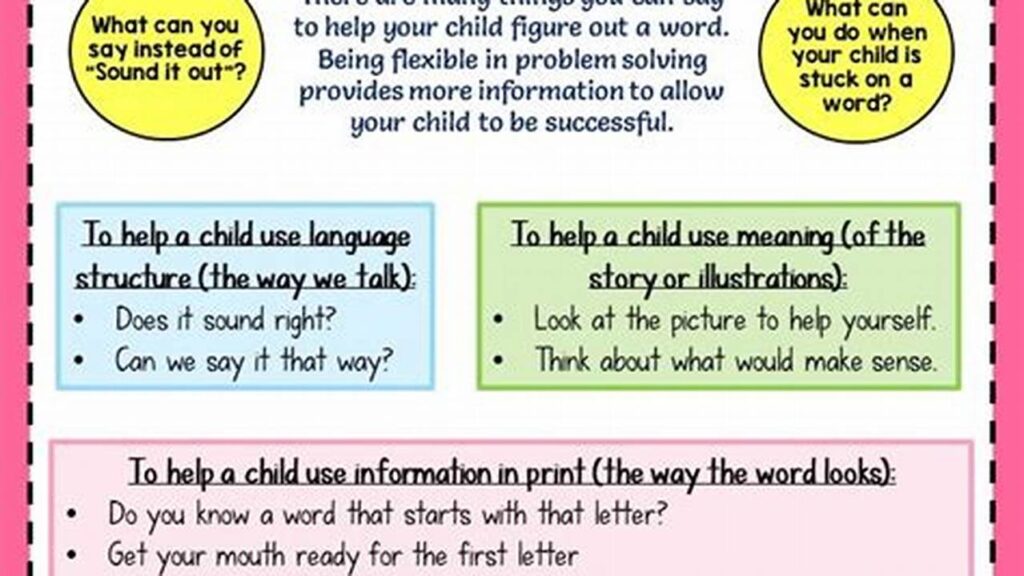
Seek guidance from educators or reading specialists. They can assess your child’s needs and recommend appropriate interventions or support strategies.
How can I make reading more engaging for a reluctant reader?
Explore different genres, formats, and reading mediums. Incorporate interactive activities, games, or technology to enhance engagement.
How much time should my child dedicate to reading each day?
Even short, regular reading sessions can be beneficial. Consistency is key, and the duration can be adjusted based on age and individual needs.
What are some effective strategies for improving reading comprehension?
Encourage active reading by asking questions, discussing the story, and connecting it to real-world experiences.
How can I support my child’s reading development during the summer months?
Enroll them in summer reading programs, visit the library regularly, and create a fun and engaging reading environment at home.
By implementing these strategies and fostering a supportive environment, parents can empower their children to become confident, enthusiastic readers and lifelong learners.